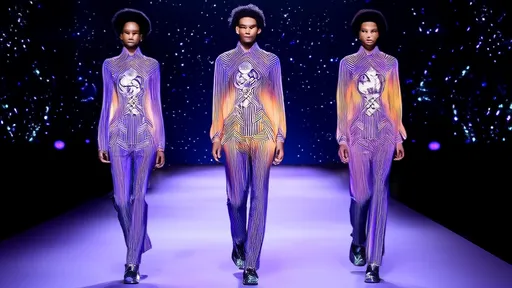
The fashion industry has always been a mirror reflecting societal shifts, cultural anxieties, and collective dreams. In recent years, a peculiar aesthetic has emerged from the shadows, one that embraces decay, imperfection, and the raw beauty of deterioration. Dubbed "ruin aesthetics," this trend has infiltrated high fashion, particularly through the use of distressed metallic fabrics that evoke a post-apocalyptic, anti-utopian vision. As we look toward 2025, this aesthetic is poised to define a new era of fashion—one that challenges traditional notions of glamour and perfection.
The allure of ruin aesthetics lies in its paradoxical nature. It is both a rejection of and a homage to the past. Designers are increasingly drawn to materials that appear weathered, corroded, or even burnt, as if they have survived some unnamed catastrophe. These fabrics, often metallic in composition, carry a sense of history and narrative. They tell stories of resilience and decay, of beauty emerging from chaos. The result is a visual language that feels deeply relevant in an era marked by environmental crises, political instability, and technological overreach.
What makes this trend particularly compelling is its ability to straddle the line between futuristic and archaic. The metallic sheen of these fabrics suggests a sleek, high-tech future, while their distressed surfaces evoke ancient ruins or industrial decay. This duality creates a tension that resonates with contemporary audiences. It speaks to a generation that is simultaneously optimistic about technological progress and wary of its consequences. The anti-utopian undertones are impossible to ignore—these designs seem to ask, "What happens when our shiny futures tarnish?"
The rise of ruin aesthetics in fashion can be traced back to broader cultural movements. Films, literature, and art have long explored themes of dystopia and collapse, from the cyberpunk visions of Blade Runner to the post-apocalyptic landscapes of Mad Max. Fashion, as always, absorbs these influences and reinterprets them in wearable form. But unlike the overtly theatrical costumes of sci-fi cinema, the ruin aesthetic in fashion is subtler, more nuanced. It is not about cosplaying the end of the world but rather embedding its essence into everyday attire.
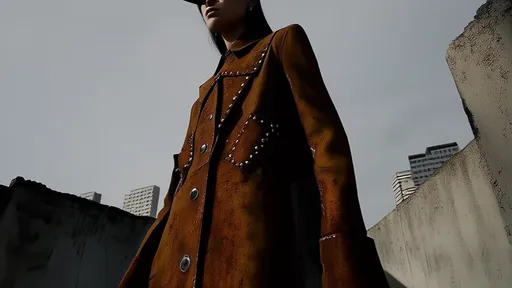
Key to this trend is the innovative use of materials. Designers are experimenting with techniques that artificially age metals, creating surfaces that look oxidized or rusted. Some are combining metallic threads with organic fabrics, allowing the materials to degrade naturally over time. Others are using digital printing to mimic the appearance of corrosion. The effect is strikingly tactile—garments that look as though they have been pulled from the wreckage of a forgotten civilization, yet remain undeniably luxurious.
The color palette of ruin aesthetics is equally evocative. Gone are the bright, polished hues of traditional metallics. In their place are muted tones—dull bronzes, tarnished silvers, and charred blacks. These colors evoke a sense of melancholy and nostalgia, as if the garments are mourning their own demise. Yet, there is also a quiet grandeur to them, a reminder that decay can be as beautiful as creation.
This trend is not without its critics. Some argue that romanticizing decay is a form of escapism, a way to aestheticize very real fears about the future. Others see it as a cynical marketing ploy, capitalizing on societal anxieties for profit. But proponents of ruin aesthetics counter that it is a form of cultural critique, a way to confront uncomfortable truths through art. By wearing these designs, they suggest, we are acknowledging the fragility of our world and the inevitability of change.
As 2025 approaches, it is clear that ruin aesthetics will continue to shape the fashion landscape. Its influence can already be seen in the collections of avant-garde designers and mainstream brands alike. From runway shows to streetwear, the aesthetic is permeating every level of the industry. And while its origins may lie in dystopian fantasies, its impact is very real. In a world that often feels on the brink of collapse, perhaps there is solace in finding beauty in the broken.
Ultimately, the rise of ruin aesthetics speaks to something deeper than mere trend cycles. It reflects a collective yearning for authenticity in an increasingly artificial world. In embracing the imperfect, the worn, and the damaged, fashion is challenging us to reconsider our definitions of beauty. The message is clear: perfection is overrated. The future belongs to the flawed, the fractured, and the fearless.

By /Aug 18, 2025

By Daniel Scott/May 27, 2025
By Rebecca Stewart/May 27, 2025
By Christopher Harris/May 27, 2025
By /Aug 18, 2025

By Jessica Lee/May 27, 2025

By Amanda Phillips/May 27, 2025

By Noah Bell/May 27, 2025

By /Aug 18, 2025
By /Aug 18, 2025

By /Aug 18, 2025

By Megan Clark/May 27, 2025

By Sophia Lewis/May 27, 2025

By /Aug 18, 2025
By /Aug 18, 2025
By David Anderson/May 27, 2025

By /Aug 18, 2025
By Joshua Howard/May 27, 2025

By /Aug 18, 2025

By /Aug 18, 2025
