Australia has long been recognized for its high standard of healthcare, and its medical examination requirements are no exception. Whether you are applying for a visa, seeking employment, or planning to study in the country, understanding the Australian medical examination process is crucial. The system is designed to ensure public health safety while also catering to the needs of individuals from diverse backgrounds.
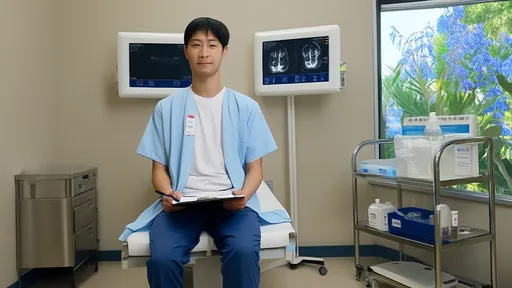
The Australian government mandates medical examinations for certain visa categories, particularly those involving long-term stays. These assessments are conducted to identify any health conditions that may pose a risk to public health or require significant healthcare resources. The process is thorough, often including chest X-rays, blood tests, and a general physical examination. Applicants are typically directed to approved panel physicians who follow strict guidelines set by the Department of Home Affairs.
One of the most common reasons for undergoing an Australian medical exam is the visa application process. For instance, skilled migration visas, student visas, and partner visas often require applicants to meet specific health criteria. The examinations aim to detect infectious diseases such as tuberculosis, hepatitis, or HIV, as well as conditions that might burden the healthcare system. The results can significantly impact the outcome of a visa application, making it essential to prepare adequately.
For those applying for permanent residency, the medical examination is even more rigorous. The authorities assess whether an applicant has any condition that could result in substantial healthcare or community service costs. Chronic illnesses, mental health conditions, and disabilities are all evaluated to determine eligibility. While having a medical condition does not automatically disqualify an applicant, it may lead to further scrutiny or requests for additional documentation.
Another key aspect of the Australian medical examination is its focus on occupational health. Certain professions, particularly those in healthcare, childcare, or aged care, require employees to undergo regular health checks. These screenings ensure that workers do not carry transmissible diseases that could endanger vulnerable populations. Employers often collaborate with designated medical providers to facilitate these assessments efficiently.
Preparing for an Australian medical exam involves several steps. Applicants should gather relevant medical records, including vaccination history and previous test results. It is also advisable to disclose any pre-existing conditions upfront, as withholding information can lead to delays or visa refusals. The examination itself usually takes a few hours, depending on the tests required, and results are submitted directly to the relevant government department.
The cost of the medical examination varies depending on the type of visa and the tests involved. While it can be a significant expense, especially for families, the investment is necessary to meet immigration requirements. Some visa subclasses may also require additional tests, such as those for specific occupations or regions with higher health risks.
Australia’s approach to medical examinations reflects its commitment to maintaining a healthy population. By screening applicants and workers, the country minimizes the risk of disease outbreaks and ensures that its healthcare system remains sustainable. For individuals, understanding and complying with these requirements is a critical step toward achieving their Australian dreams, whether for migration, work, or study.

By /Aug 13, 2025

By /Aug 22, 2025

By /Aug 22, 2025

By /Aug 22, 2025

By /Aug 22, 2025

By /Aug 22, 2025

By /Aug 13, 2025

By /Aug 22, 2025

By /Aug 13, 2025

By /Aug 22, 2025

By /Aug 22, 2025

By /Aug 22, 2025

By /Aug 13, 2025

By /Aug 22, 2025
By /Aug 13, 2025

By /Aug 13, 2025

By /Aug 13, 2025

By /Aug 13, 2025

By /Aug 22, 2025

By /Aug 22, 2025
